Shipping note
The Rotterdam Cube Houses: What They Are and How to Visit
- Shipped
- Reading time
- 2 min read
- Hold
- Architecture
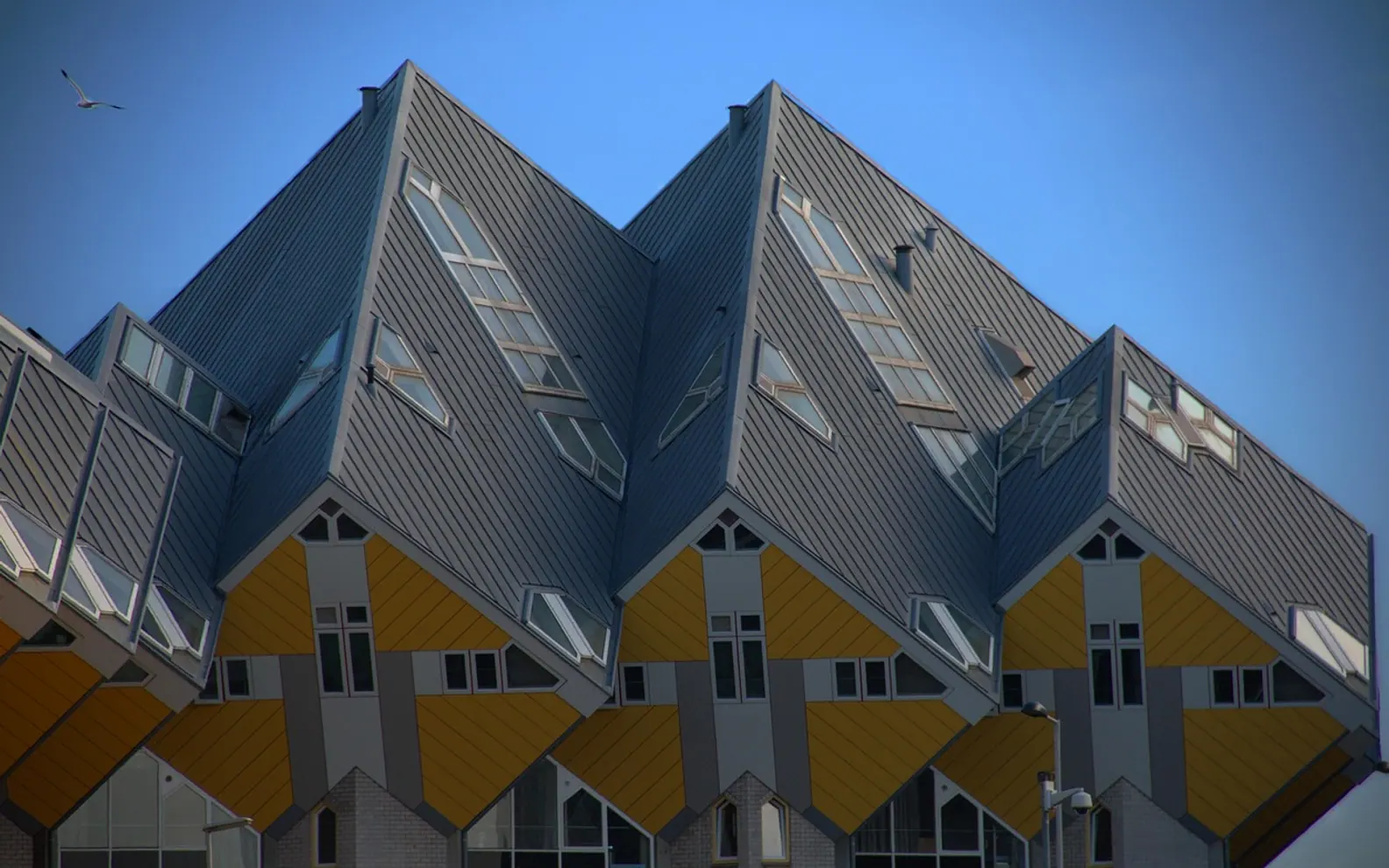
Walk out of Blaak station and you can hardly miss them: a cluster of yellow cubes tilted on one corner, perched on hexagonal concrete pillars above the street. The Cube Houses, or Kubuswoningen, are among the most photographed buildings in the city, and they sum up Rotterdam's appetite for experiments in architecture. For the wider story of how the city rebuilt itself, see our guide to modern architecture in Rotterdam.
The idea behind the cubes
The houses were designed by the Dutch architect Piet Blom and completed in the early 1980s. Blom imagined each house as a tree and the whole group as a forest — a "village within the city" where people could live above a pedestrian route and the busy road below. Tilting each cube by forty-five degrees gave the group its distinctive silhouette and turned an ordinary block of homes into a landmark.
What it is like inside
Living in a tilted cube takes some imagination. Each house spreads over several levels: an entrance at the bottom of the pillar, a living and kitchen level, a sleeping level and a small space right at the top under the point of the cube. Walls slope inwards and outwards, windows look up to the sky or down to the street, and a surprising amount of floor space is lost to angles. Furniture has to be chosen and placed with care, which is part of what makes the homes fascinating to visit.
Visiting the show house
Most cubes are private homes, so please respect residents' privacy. One house is kept furnished as a show home that visitors can step into for a small fee, and it is the easiest way to understand how the spaces work. Opening times vary by season, so check before you go. Allow around half an hour: long enough to climb the steep stairs, look out of the slanting windows and take photos without rushing.
Best viewpoints for photos
- From the raised walkway between the cubes, looking along the row.
- From the square by Blaak station, where you can frame the cubes with the pencil-shaped tower beside them.
- From the old harbour side, where boats and cubes appear in the same shot.
Early morning and late afternoon give softer light and fewer people.
What to combine with your visit
The cubes sit in one of the most rewarding corners of the centre. The Markthal is directly across the square, the Oude Haven harbour with its old ships and terraces is below the cubes, and the Erasmus Bridge is a pleasant walk along the water. A route that links the cubes with the city's bridges makes a great first afternoon.
Good to know
- The show house has steep, narrow stairs — not ideal for pushchairs or limited mobility.
- The nearest public transport stop is Blaak, served by metro, tram and train.
- Combine it with our first-visit plan if you are in the city for only a day or two.
Small habits
Little things that make a city day easier
Tried on many rainy Tuesdays.
Pack a layer
The wind on the bridges and quays is colder than the forecast suggests.
Tap in, tap out
Forgetting to check out on trams and the metro costs more than the trip.
Go early
Popular sights are calmest in the first hour after opening.
Look up
Many of the best architectural details sit above shop-window height.
Carry a card
Card payments are accepted almost everywhere; some places prefer them to cash.
Lock the frame
If you rent a bike, lock the frame to something solid, not just a wheel.
Stowed alongside · Architecture
- Architecture
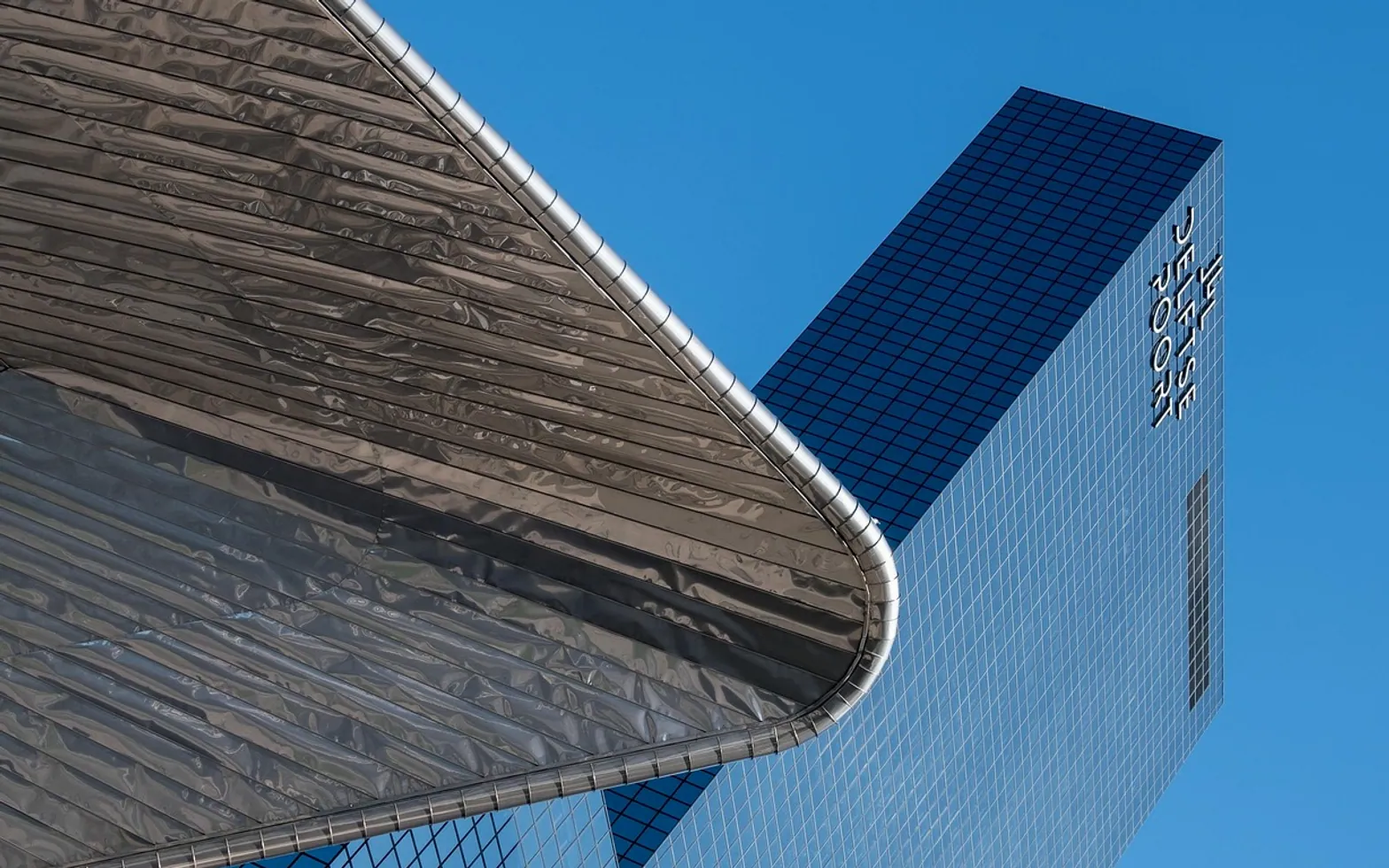 Modern Architecture in Rotterdam: A Self-Guided Walk After 1940 Rotterdam chose to build forward instead of back. A walk from the station to the river shows how that choice turned the city into an open-air gallery of modern design. 2 min read
 - Architecture
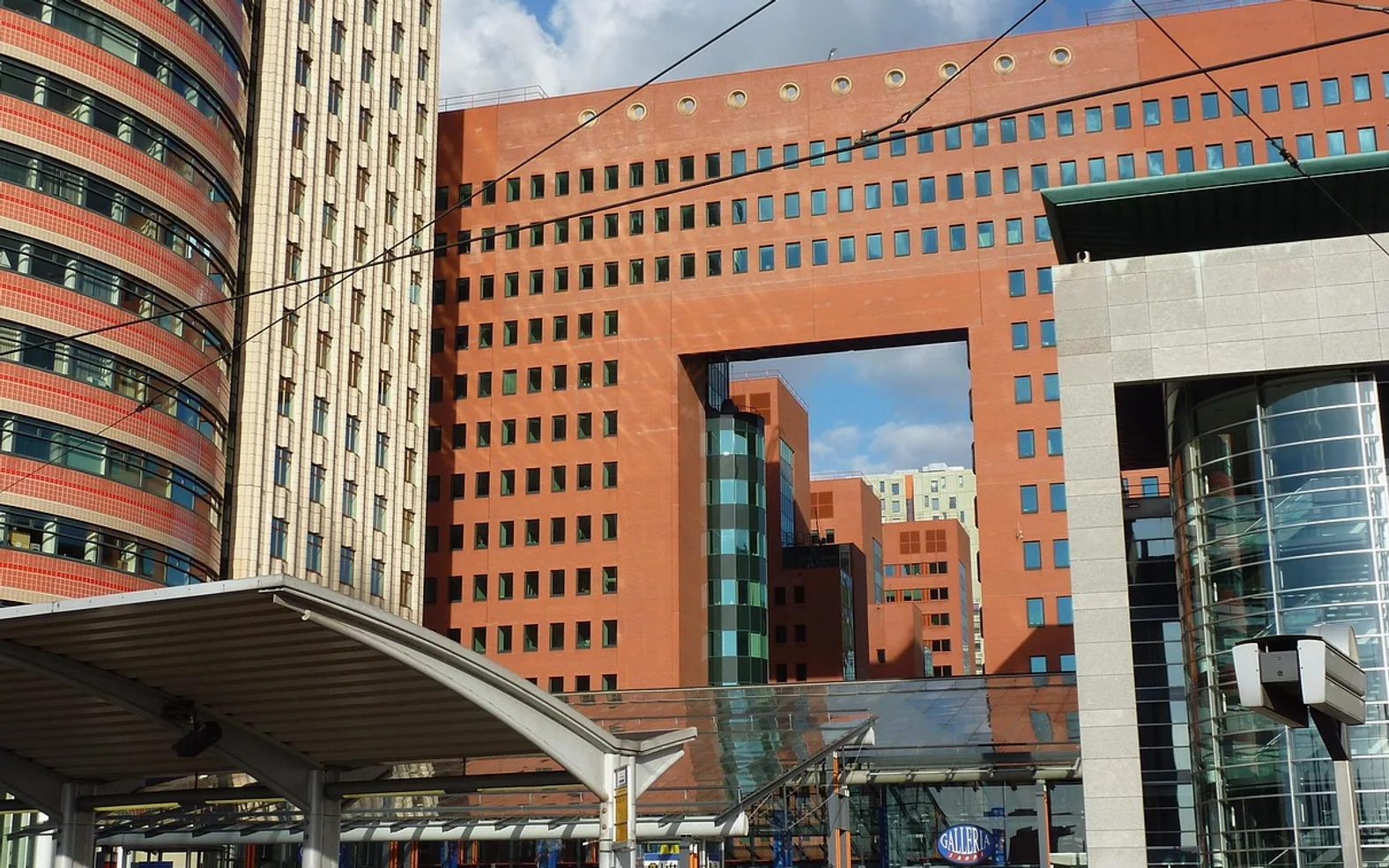 Rotterdam's Bridges: The Swan, the Red Bridge and De Hef Three bridges tell much of Rotterdam's story — a white swan, a red workhorse and a retired railway lift. Here is how to see all three in one walk. 2 min read