Shipping note
The Art of Standing Out: Signage and Display Systems that Captivate
- Shipped
- Reading time
- 3 min read
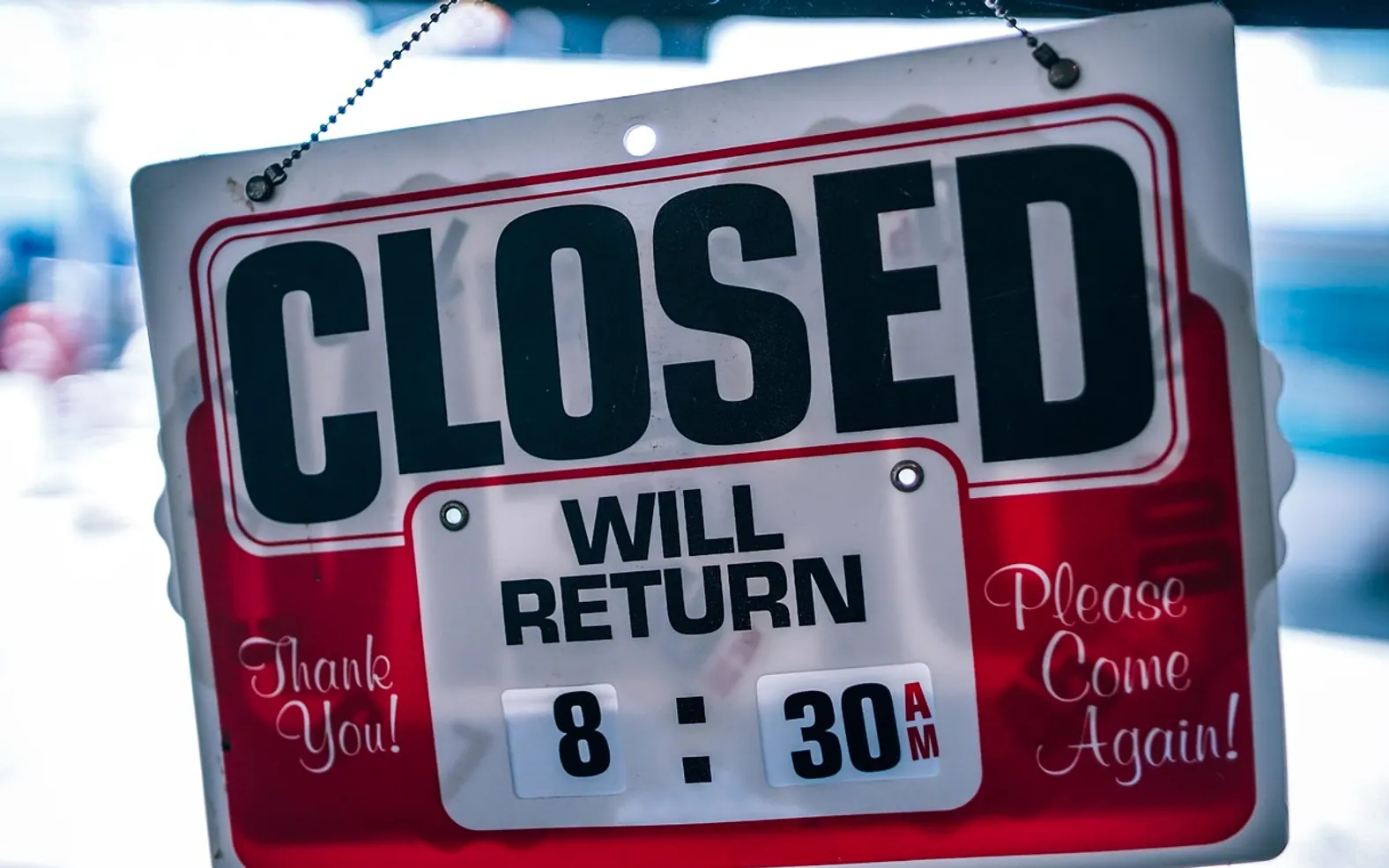
Rotterdam's shopping streets are a lesson in visual competition. On a short stretch near the Markthal or along a lively street in the centre you pass bakeries, bike shops, concept stores and coffee bars, each with only a few seconds to earn a glance. Some shopfronts pull people inside almost without trying. Others, with perfectly good products, simply disappear into the background. Much of the difference comes down to how a business uses its signs and displays.
The first glance decides a lot
People rarely stop to read a shopfront carefully. They take in colour, shape, a word or two and an impression of what is on offer, often while cycling or walking past. That is why the strongest signs are simple. One clear name, one idea of what the place does and a look that matches the experience inside will do more than a window crowded with messages.
The main kinds of signage
Most businesses mix several formats, each with its own job:
- Fascia and projecting signs announce the name from down the street and help visitors find you.
- Window displays show the product or the atmosphere and invite people to step closer.
- Pavement boards work at walking pace and suit changing messages such as a daily lunch or a weekend workshop.
- Indoor signs guide people once they are inside: where to order, where to find a department, how to pay.
- Digital screens can rotate menus, offers and short visuals, and can be updated in minutes rather than reprinted.
Why screens have become so common
Printed signs still have charm, but screens solve problems that paper cannot. A café can switch from breakfast to lunch at the right moment, a shop can feature new arrivals the day they come in, and a studio can show a portfolio that changes every week. Well-chosen signage and display systems built for long hours and bright surroundings stay readable through the window and behind the counter, and content can be managed from a laptop instead of a ladder.
The trick is restraint. A screen that tries to say everything at once is as easy to ignore as a cluttered poster. Short loops, large type and images that relate to what is actually inside work best.
Design habits that help you stand out
- Stay on-brand. Use the same colours, typefaces and tone everywhere, from the fascia to the receipts, so the place feels coherent.
- Make it readable from a distance. Generous letter sizes, strong contrast and short words carry further than fine detail.
- Think about light. Consider how the sign looks on a grey afternoon and after dark, not only on a sunny morning.
- Change something regularly. A window that evolves with the seasons gives regular passers-by a reason to look again.
- Respect the street. In many Dutch cities signs need to fit local rules and the character of the building, so check with the municipality before installing anything large.
Why it is worth the effort
Signage is one of the few kinds of promotion that works around the clock without a media budget. It helps people remember where you are, tells them what to expect and makes the visit itself easier. For small independent businesses that depend on footfall, a thoughtful mix of traditional signs and well-used screens can be the quiet advantage that turns a passer-by into a regular.
Final thoughts
Standing out does not require the loudest shopfront on the street. It comes from a clear identity, readable design and displays that reflect what is genuinely on offer inside. Get those right, keep them fresh, and the street will do the rest.
Small habits
Little things that make a city day easier
Tried on many rainy Tuesdays.
Pack a layer
The wind on the bridges and quays is colder than the forecast suggests.
Tap in, tap out
Forgetting to check out on trams and the metro costs more than the trip.
Go early
Popular sights are calmest in the first hour after opening.
Look up
Many of the best architectural details sit above shop-window height.
Carry a card
Card payments are accepted almost everywhere; some places prefer them to cash.
Lock the frame
If you rent a bike, lock the frame to something solid, not just a wheel.