Shipping note
Port of Rotterdam: How to See the Harbour as a Visitor
- Shipped
- Reading time
- 2 min read
- Hold
- Harbour & River
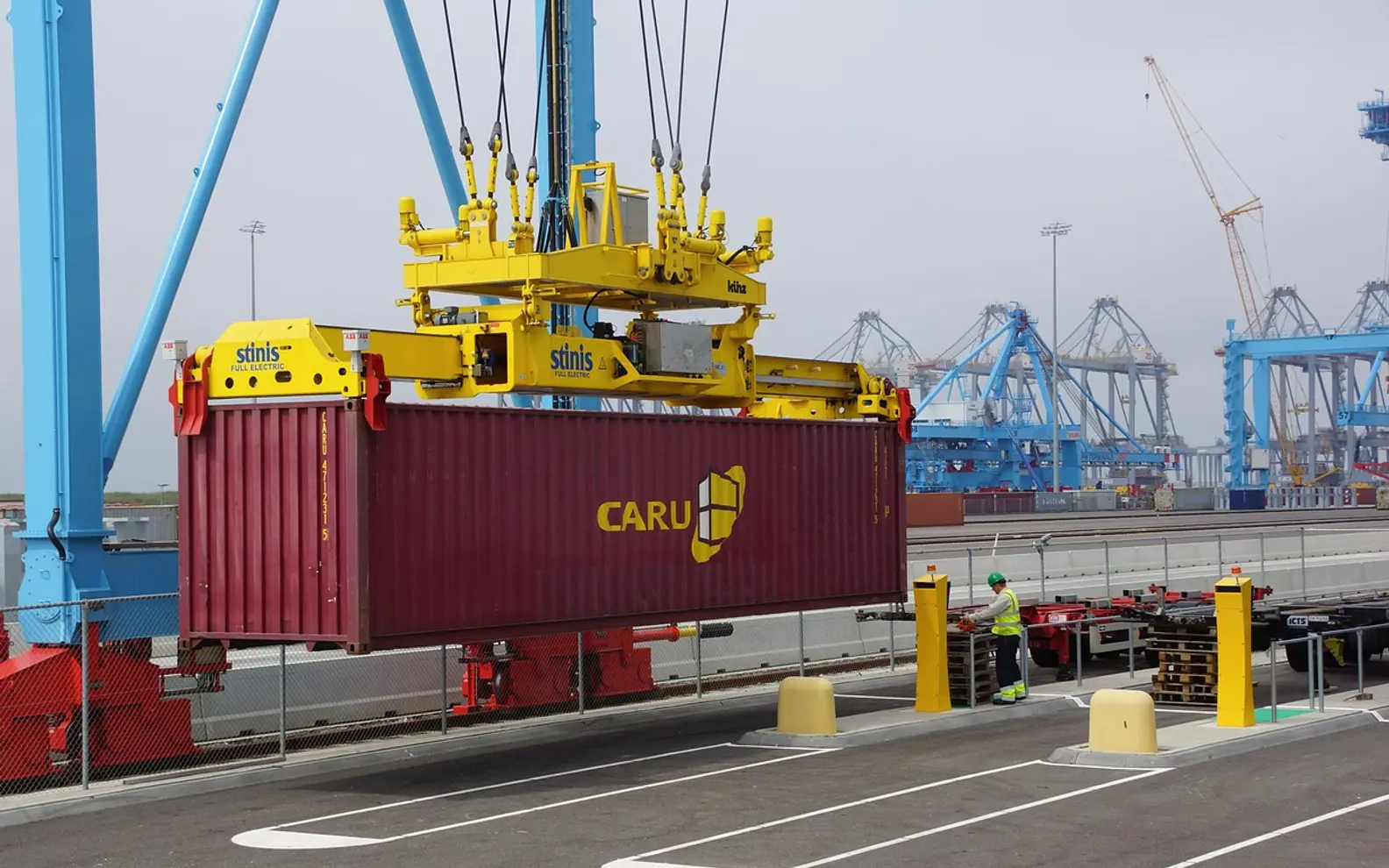
Rotterdam's port is the reason the city exists in its current form. It is the largest seaport in Europe and stretches for many kilometres from the city centre all the way to the North Sea coast, where land has been reclaimed for new terminals. Most of it is industrial and closed to the public, but there are plenty of ways for visitors to get a feel for its scale. Combine a harbour visit with our first-visit plan for a well-rounded trip.
Take a harbour boat tour
The easiest way to see the port is from the water. Harbour tours leave from the quay near the Erasmus Bridge and loop past docks, shipyards and container terminals closer to the city. You will see cranes loading ships, tugboats at work and vessels of every size. Longer trips that go further towards the sea run on certain days, usually in the warmer months. Bring a jacket: it is often windy on deck, even in summer.
Viewpoints on land
- The Euromast beside Het Park gives a bird's-eye view over the river, the city and the nearest harbour basins.
- The Wilhelminapier lets you watch ships pass close to the city, with the Erasmus Bridge as a backdrop.
- The Katendrecht waterfront looks out over the Maashaven and the Rijnhaven, once busy dock basins.
- Further west, riverside paths in the old harbour districts offer quieter views of working boats.
Maritime museums and harbour history
To understand the port's past, visit the maritime museum by the Leuvehaven, where the outdoor harbour holds historic vessels and cranes. Nearby, the open-air maritime collection along the quay lets you walk among old ships for free. On the south bank, the former ocean liner SS Rotterdam tells the story of the passenger ships that once carried travellers across the Atlantic.
How the port shaped the city
For centuries, Rotterdam grew around trade on the Maas. As ships became bigger, the port moved steadily west, closer to the sea, leaving older basins near the centre free for new uses. That is why many of today's neighbourhoods — the Kop van Zuid, the Wilhelminapier, Katendrecht — are built on former docks. Walking these areas, you can still spot old warehouses, mooring posts and railway lines between the new buildings.
Port events
The city celebrates its maritime character with an annual festival of ships and harbour life, usually in early autumn, when vessels open to visitors and there are demonstrations on the water. Dates and programmes change each year, so check the city's events calendar before planning around it.
Tips for a harbour day
- Book boat trips in advance in high season, especially at weekends.
- Pair a morning boat tour with lunch in Katendrecht and a walk back over the Erasmus Bridge.
- A water taxi is a fun way to hop between landing stages; see our getting around guide.
- Binoculars make the trip more interesting for children and ship fans alike.
Small habits
Little things that make a city day easier
Tried on many rainy Tuesdays.
Pack a layer
The wind on the bridges and quays is colder than the forecast suggests.
Tap in, tap out
Forgetting to check out on trams and the metro costs more than the trip.
Go early
Popular sights are calmest in the first hour after opening.
Look up
Many of the best architectural details sit above shop-window height.
Carry a card
Card payments are accepted almost everywhere; some places prefer them to cash.
Lock the frame
If you rent a bike, lock the frame to something solid, not just a wheel.
Stowed alongside · Harbour & River
- Harbour & River
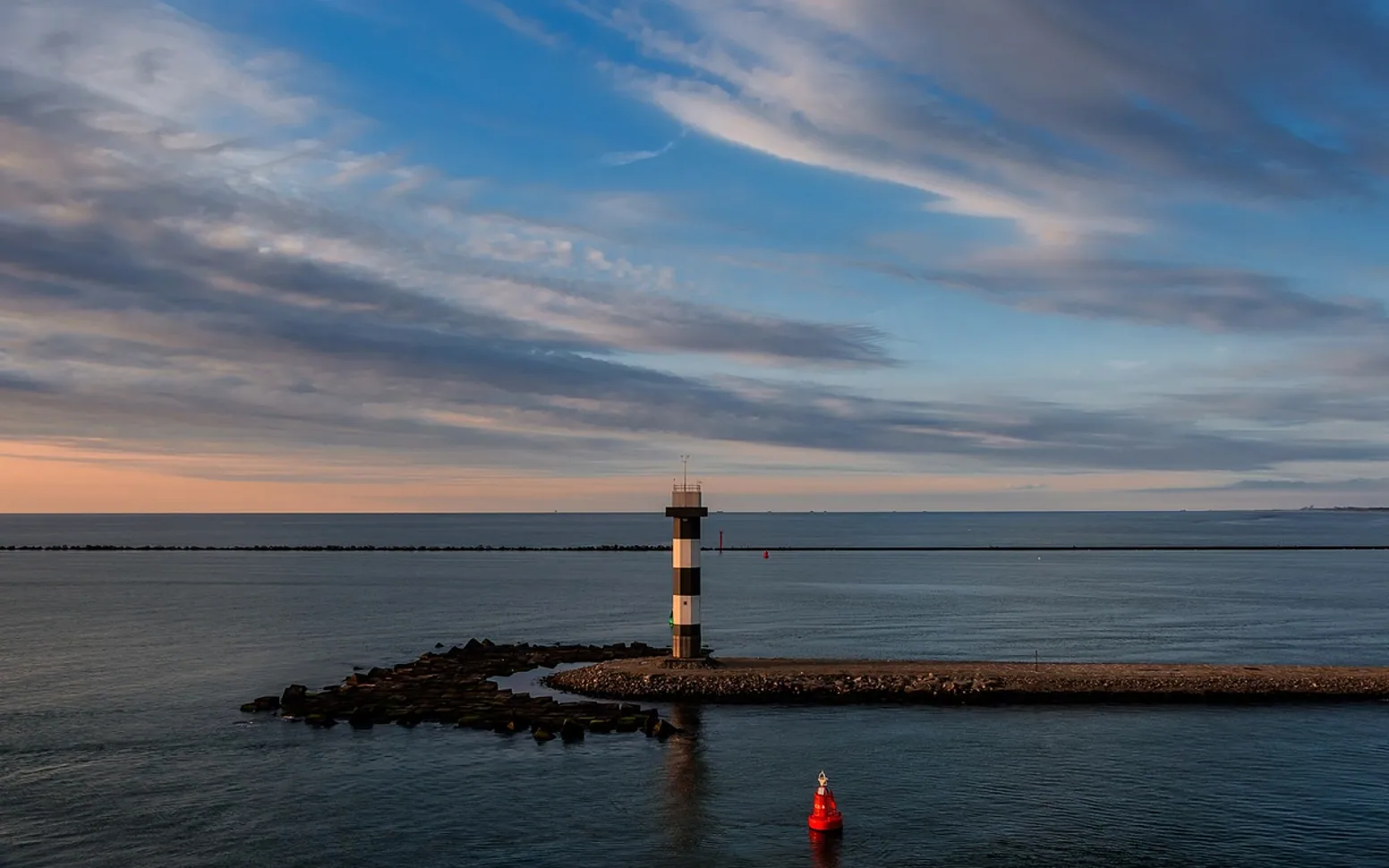 Katendrecht, Rotterdam: A Neighbourhood Guide to 'De Kaap' Once a rough sailors' quarter, the peninsula locals call "De Kaap" is now one of the city's favourite places to eat, stroll and watch the harbour light change. 2 min read
 - Harbour & River
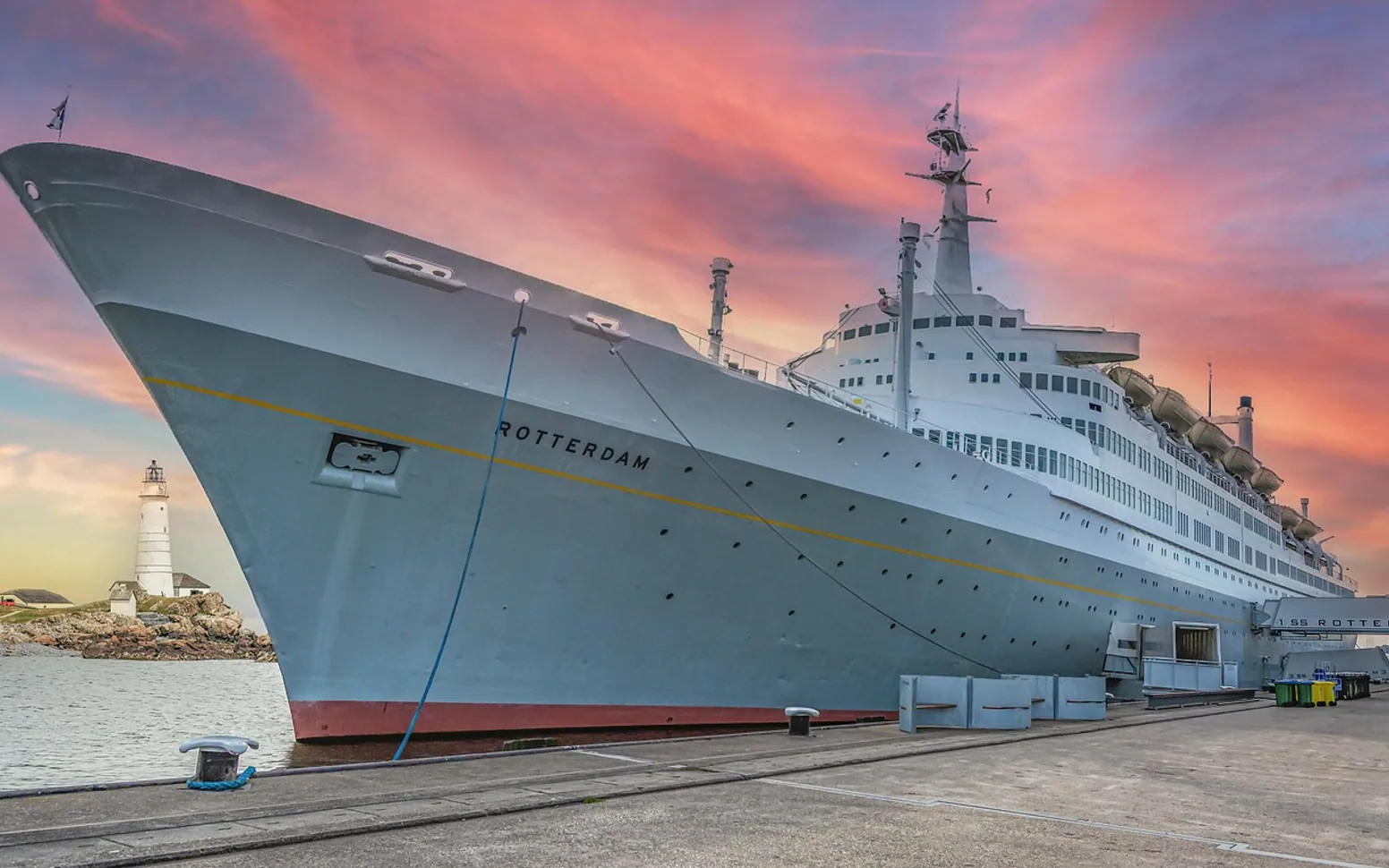 SS Rotterdam: Visiting the Former Ocean Liner in Katendrecht Once a transatlantic flagship, the SS Rotterdam now lies at a quay on the south bank as a hotel, restaurant and floating piece of history. 2 min read