Shipping note
Getting Around Rotterdam: Metro, Tram, Bike and Water Taxi
- Shipped
- Reading time
- 3 min read
- Hold
- City Guides
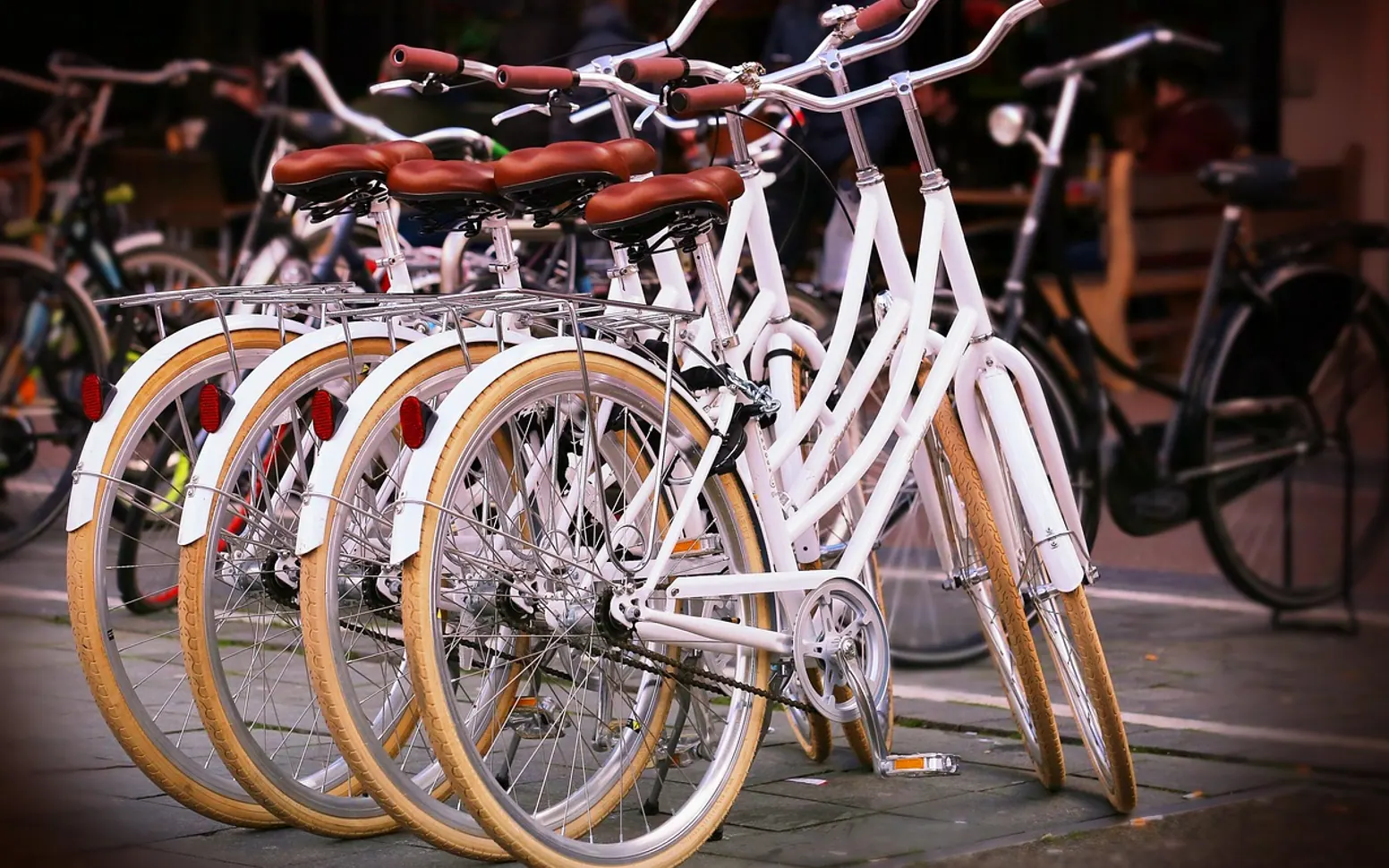
Rotterdam looks compact on a map, but the river, the docks and the wide post-war avenues stretch distances further than you expect. The good news is that the city is flat and well connected. Once you understand how the different options fit together, moving between neighbourhoods becomes easy and even part of the fun. If you are still deciding what to see, start with our overview of things to do in Rotterdam.
Metro: the fastest way across town
The metro is the backbone for longer trips. Lines run north–south under the river and east–west through the centre, and they also reach neighbouring towns. Rotterdam Centraal, Beurs and Blaak are the busiest interchanges and sit close to many of the main sights. Trains are frequent, and the network is simple enough to learn in a day.
Trams: the scenic option
Trams are slower but let you see the city as you travel. They are ideal for hops between the centre, Delfshaven, the museum area and the south bank. A tram over the Erasmus Bridge is a cheap and cheerful sightseeing trip on its own.
How paying works
Public transport in the Netherlands can be paid by tapping in and out. Many visitors now use a contactless bank card or phone at the card readers, while residents often use a personal public transport card. Always check in when you board and check out when you leave, or you may be charged a higher fare. Day tickets are sold too and can be good value if you plan many short hops. Fare rules change from time to time, so look at the operator's current information before your trip.
Cycling like a local
Bikes are everywhere, and with good reason: the city is flat and has a dense network of separated cycle paths. Rental bikes are easy to find near the station and in the centre. A few habits help:
- Stay on the red-surfaced cycle paths and keep to the right.
- Use hand signals before turning and watch for trams, whose rails can catch a front wheel.
- Lock the frame, not just a wheel, to something solid.
- Expect wind on the bridges; leave extra time when crossing the river.
Water taxis and ferries
The river is not only a barrier, it is also a road. Small water taxis zip between landing stages along both banks and are a memorable way to reach places like the Katendrecht peninsula or the hotel ship SS Rotterdam. They work rather like a regular taxi: you book or call one to a stop, and the fare depends on the trip. Seasonal waterbus services also link the city with towns upriver and with the windmills of Kinderdijk.
Walking
The centre is walkable, and some of the best moments happen on foot: the route from the station past the Cube Houses to the old harbour, or the stroll along the Wilhelminapier at sunset. Just be realistic about distances when combining several neighbourhoods in one day.
Which option for which trip?
- Station to the centre: walk, or take one metro or tram stop if you have luggage.
- Centre to Delfshaven: tram or bike.
- Across the river to the south bank: tram, metro, bike over the Erasmus Bridge, or a water taxi for the view.
- Day trips: train for Delft, boat or bike for Kinderdijk.
Small habits
Little things that make a city day easier
Tried on many rainy Tuesdays.
Pack a layer
The wind on the bridges and quays is colder than the forecast suggests.
Tap in, tap out
Forgetting to check out on trams and the metro costs more than the trip.
Go early
Popular sights are calmest in the first hour after opening.
Look up
Many of the best architectural details sit above shop-window height.
Carry a card
Card payments are accepted almost everywhere; some places prefer them to cash.
Lock the frame
If you rent a bike, lock the frame to something solid, not just a wheel.
Stowed alongside · City Guides
- City Guides
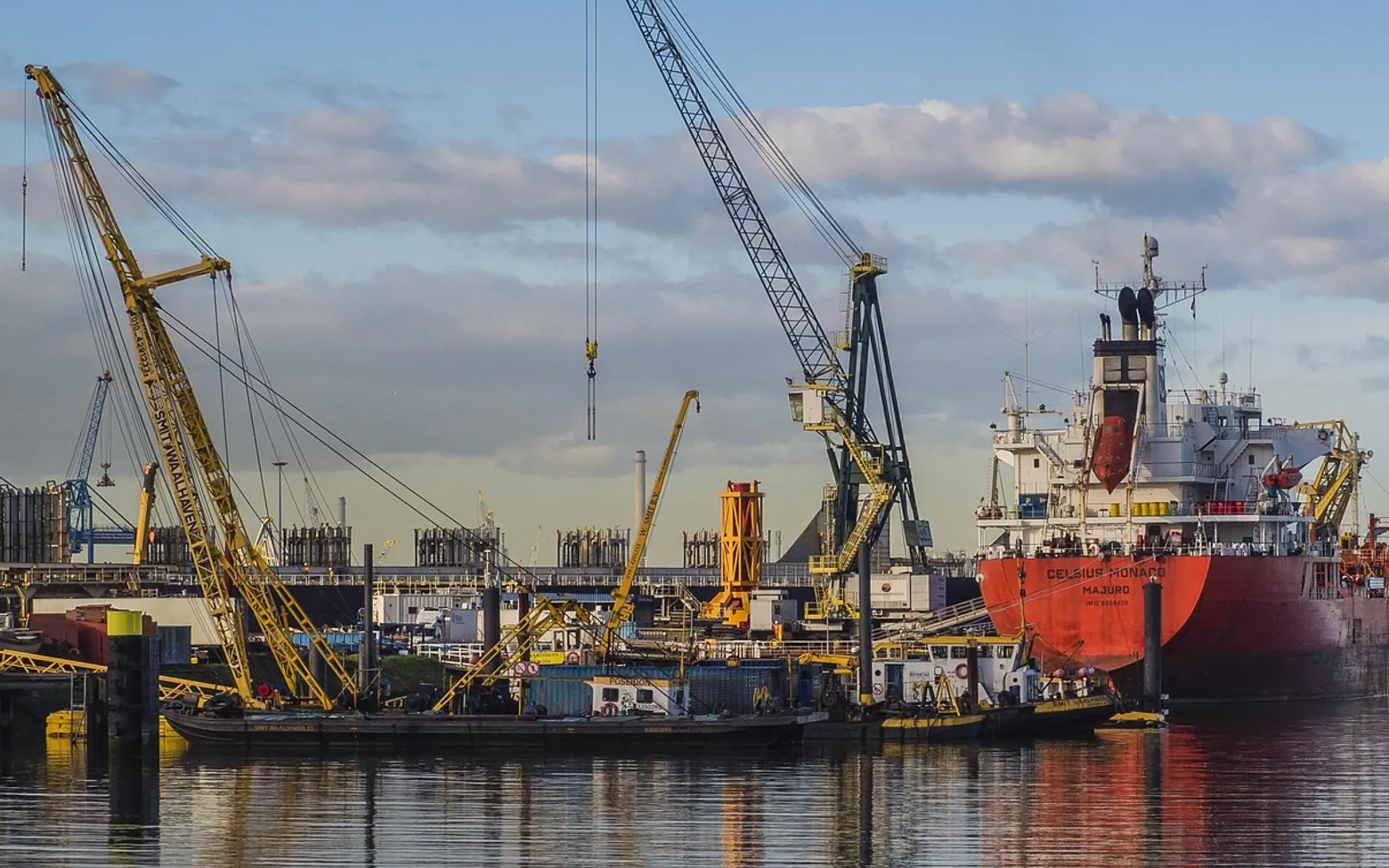 Things to Do in Rotterdam: A Relaxed Plan for Your First Visit Rotterdam rewards curiosity more than a checklist. Here is how we would split a first visit between the river, the architecture, the food halls and the older corners the war did not erase. 3 min read
 - Work & Events
 Embracing Sustainability: Eco-Smart Portable Aircon Rentals for Business Old harbour buildings, glass-fronted offices and pop-up venues all struggle on the hottest days. Renting portable cooling for the weeks you need it can be kinder to the budget and the planet. 3 min read
 - Shops & Markets
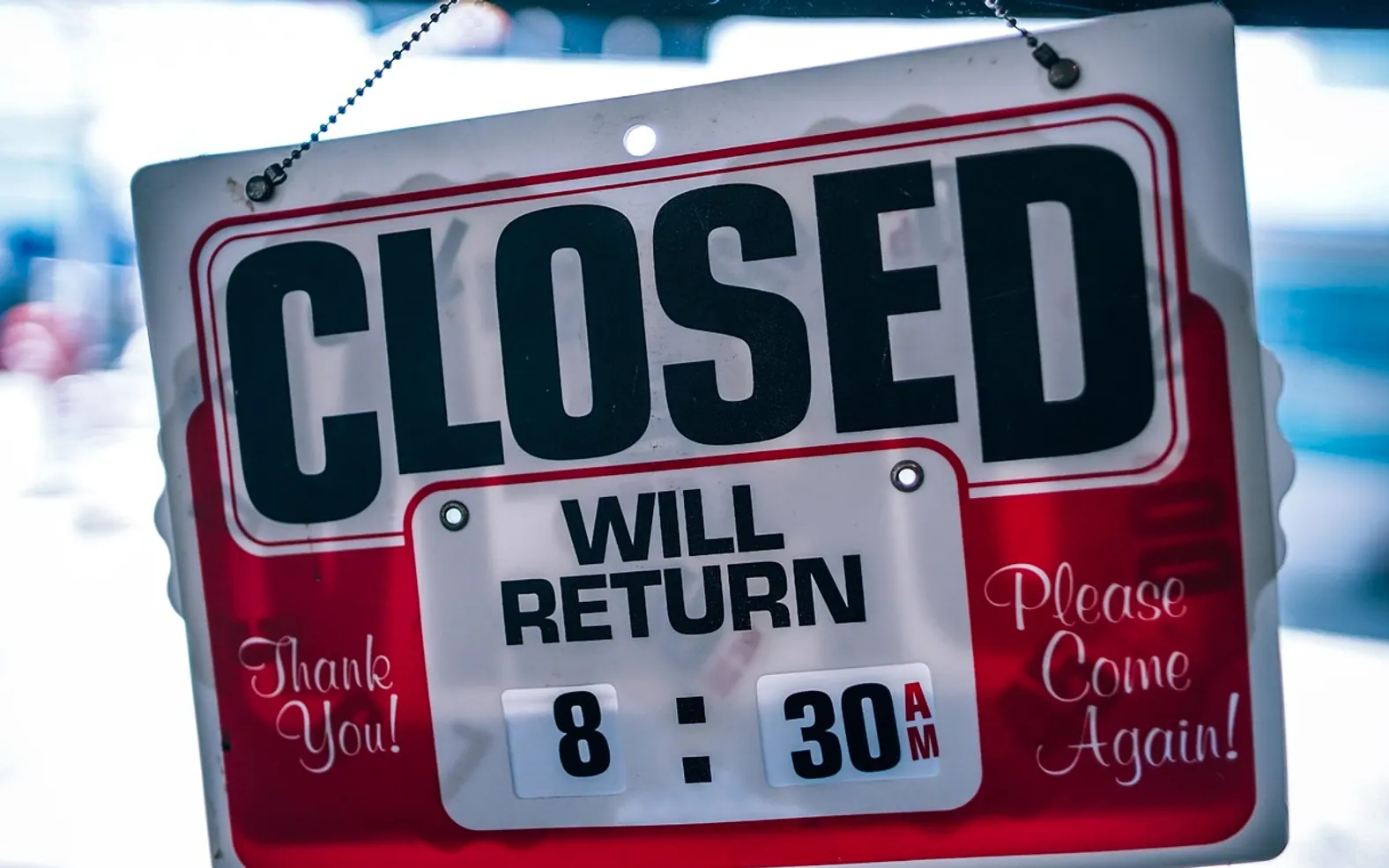 The Art of Standing Out: Signage and Display Systems that Captivate Walk any busy shopping street and you notice the same thing — some shopfronts pull you in, others vanish. Good signage is a big part of the difference. 3 min read