Shipping note
Moving to Rotterdam: A Checklist for Your First Month
- Shipped
- Reading time
- 2 min read
- Hold
- Living Here
Moving to a new city is exciting and slightly overwhelming at the same time, especially when the language and the systems are new too. Rotterdam is an international, open city, and most newcomers find their feet quickly once a few practical things are sorted. This checklist follows the order in which those things tend to matter. Rules and procedures change, so always confirm the details with the official sources mentioned.
Week one: the essentials
- Register your address. If you are going to live in the Netherlands, you usually need to register with the municipality (the gemeente) soon after arriving. Registration gives you a citizen service number, which you will need for work, banking, healthcare and much more. Book an appointment early, as slots can fill up.
- Sort out health insurance. Residents are generally required to take out Dutch basic health insurance within a set period after registering or starting work. Compare a few providers before choosing.
- Open a bank account once you have your registration details; many everyday payments in the Netherlands are made by card or bank app.
Week two: getting around
Decide how you will move around day to day. Many residents combine a bike for short trips with public transport for longer ones. A sturdy second-hand bike and two good locks are among the best first purchases you can make. Read our guide to getting around Rotterdam for tips on cycling safely and paying for trams and the metro.
Week three: settling into your home
- Set up energy, water and internet if they are not included in your rent, and note meter readings when you move in.
- Learn the waste rules for your street: which bins or underground containers to use and what goes where.
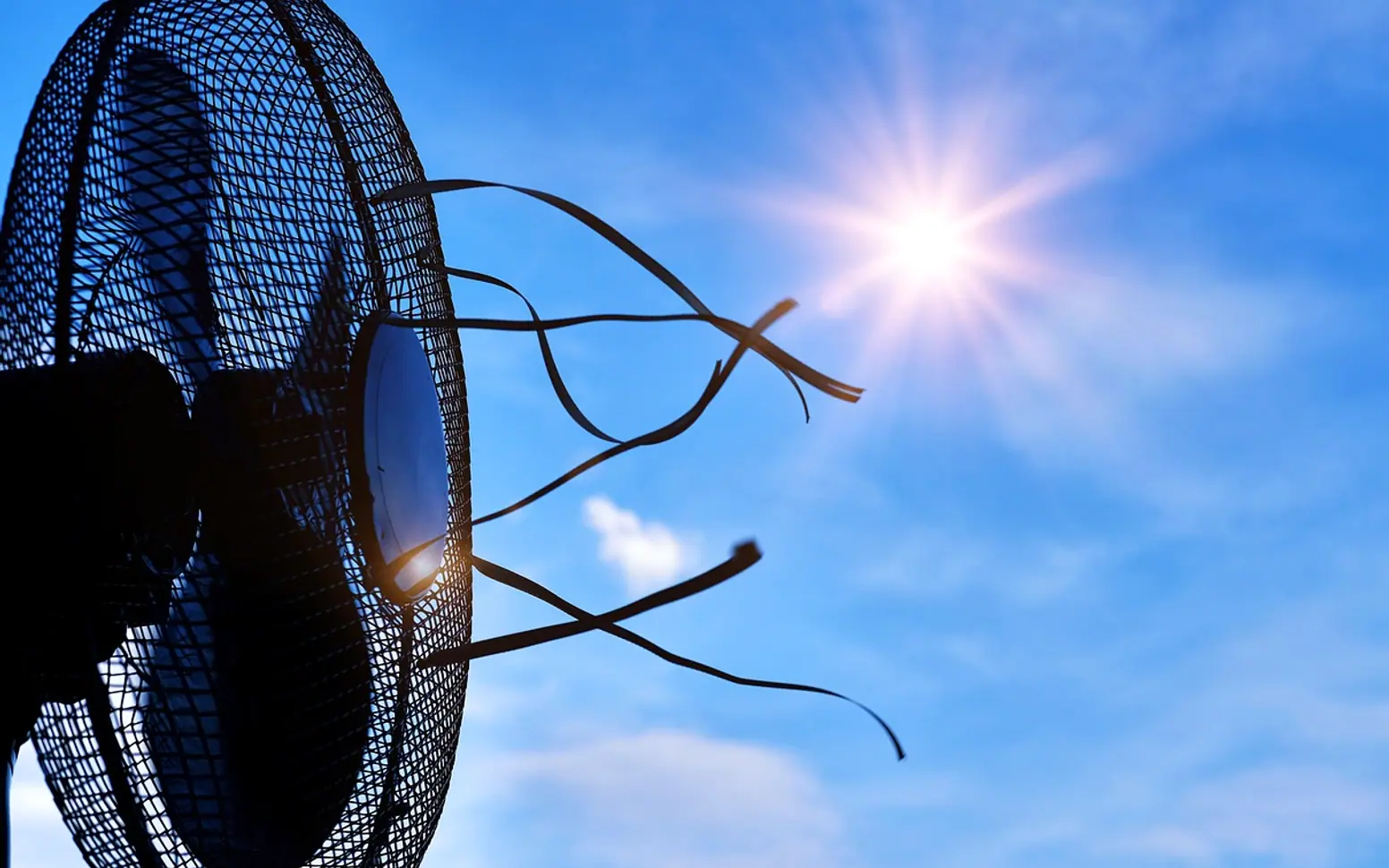
- Think about the seasons. Older flats can feel draughty in winter, and top floors with big windows can get warm on summer afternoons, so shading, ventilation and a fan or temporary cooling help on the warmest days — our piece on renting cooling sustainably covers the greener options.
- Introduce yourself to neighbours; it helps with parcels, noise and the occasional borrowed tool.
Week four: finding your place
Rotterdam is a city of very different neighbourhoods. The centre is busy and modern, the north has leafy streets and cafés, the south bank mixes new developments with older working-class districts, and areas like Katendrecht are known for food and culture. Spend weekends exploring, even if you have already found a place to live; it is the quickest way to feel at home.
Social life and language
- Join a sports club, a choir, a volunteer group or a language exchange — Dutch social life often runs through clubs and associations.
- Start learning Dutch early, even a little. Many people switch to English quickly, but the effort is appreciated.
- Use the city's markets and food halls, like the Markthal, to get to know local produce and habits.
Keep a simple folder
Finally, keep your rental contract, registration papers, insurance documents and important letters together, on paper or in a well-organised digital folder. Dutch organisations often communicate by post, and having everything in one place makes the first year far less stressful.
Small habits
Little things that make a city day easier
Tried on many rainy Tuesdays.
Pack a layer
The wind on the bridges and quays is colder than the forecast suggests.
Tap in, tap out
Forgetting to check out on trams and the metro costs more than the trip.
Go early
Popular sights are calmest in the first hour after opening.
Look up
Many of the best architectural details sit above shop-window height.
Carry a card
Card payments are accepted almost everywhere; some places prefer them to cash.
Lock the frame
If you rent a bike, lock the frame to something solid, not just a wheel.